
We’ve Moved! Click Here to Read the Article on Our New Site!
Tariffs are making headlines across the globe, but there seems to be some confusion on how the tariff will affect every day people. I’m going to break it down in an unbiased, non-political way, so that you can understand how tariffs impact your behavior on a day to day basis.
What are Tariffs?
Simply put, tariffs are taxes that governments charge on imported goods (e.g., anything brought into the United States from another country). Companies that import materials or goods into the country have to pay that tax, in addition to the cost of the imported good.
Because it costs more money to bring in the product, companies have two options:
- Raise their prices to keep their profit margin
- Keep their prices the same and take a smaller profit overall.
Companies don’t usually sacrifice profit margins voluntarily; which means you pay that higher price.
Don’t Other Countries Pay the Tariffs?
Despite what some politicians may say – no, other countries do not pay American tariffs. The company that imports the goods (aka, American companies) pay the tariff.
When the US government places a tariff on imported goods, it doesn’t send a bill to a foreign government. Instead, American importers are required to pay the extra tax when the items cross the border. Tariffs are used to incentivize American companies to produce goods within America’s borders so that they don’t have to pay an extra fee to sell their products.
How Do Tariffs Affect Consumers?
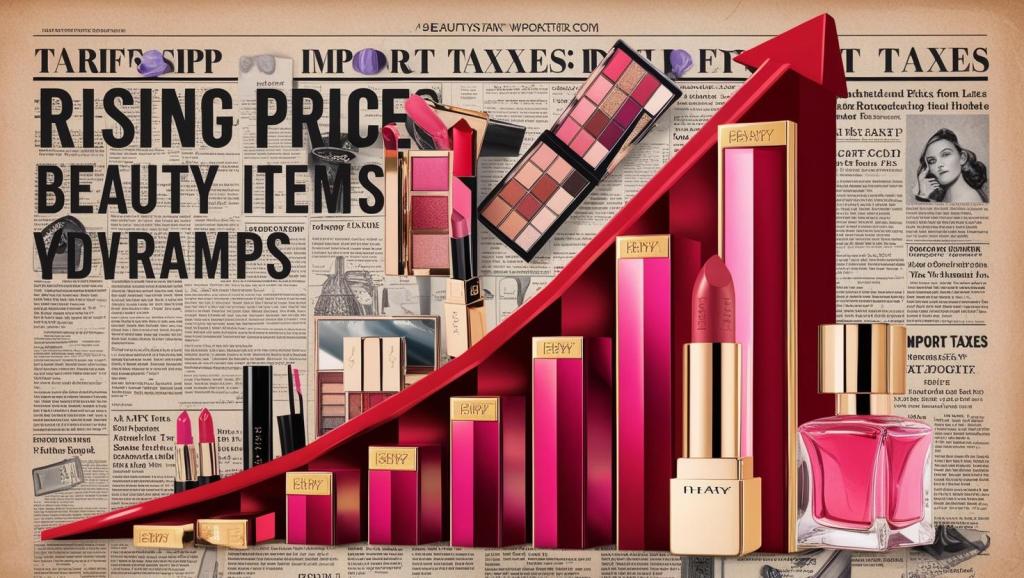
Most economists agree that the additional cost of tariffs are passed onto the consumer. In plain English, that means the consumer endures a higher tax on products. This price increase can be low, but they can also be extremely high.
There are a lot of things that are ‘Made in America’ but use imported materials. That means that even domestically produced products will see an increase in price.
How Do Tariffs Affect the Beauty Industry?
The wellness and beauty industry thrives on global supply chains. That luxury serum with marine collagen? The ingredients might come from Europe. Your favorite Korean sheet masks? Made and packaged in Seoul.
When tariffs hit, here’s what happens:
- Higher retail prices: That $35 serum might go up to $42 without any formula change.
- Fewer product options: Smaller brands may cut back on importing specialty items, limiting innovation and variety.
- Delayed launches: Companies may pause or slow down new product rollouts due to cost uncertainty.
In short, tariffs don’t just raise prices—they mess with your beauty shelf.
How do Tariffs Affect the Fashion Industry?
Fast fashion and luxury labels alike often rely on overseas manufacturing. When tariffs are applied to imported textiles, leather goods, or finished garments:
- Prices jump—sometimes sharply.
- Quality may decline as brands try to cut costs elsewhere (cheaper zippers, thinner fabrics).
- Ethical brands suffer because sustainable materials are often more expensive to begin with—tariffs make them even harder to afford.
So when you see a “Made in Italy” tag on a pair of boots that now cost $50 more than last season? That could be a tariff at work.
So, What You Can Do?
Tariffs don’t benefit us, the American people. There are few people that benefit from the addition of tariffs and it’s important to let your state representatives know how tariffs affect you personally. You can visit the USA Government’s website to contact your elected representatives and tell them to stand up for your interests.



Leave a comment