
The Ultimate Guide to Polyester
Polyester is one of the most widely used fabrics in the fashion industry, appearing in everything from budget-friendly fast fashion to high-end designer collections. In this guide, I’ll break down what polyester is, who it’s ideal for, its price range, and whether it’s truly worth the cost.
What Is Polyester?
Polyester is a synthetic fiber derived from petroleum-based chemicals. It was first developed in the 1940s as a durable, wrinkle-resistant alternative to natural fibers like cotton and wool. Polyester’s affordability and versatility have made it a staple in clothing, upholstery, and activewear.
Unlike natural fibers, polyester is completely man-made. It doesn’t absorb moisture well, but it is highly resistant to wrinkles, shrinking, and fading. It’s often blended with natural fibers like cotton or wool to enhance durability while retaining some breathability.
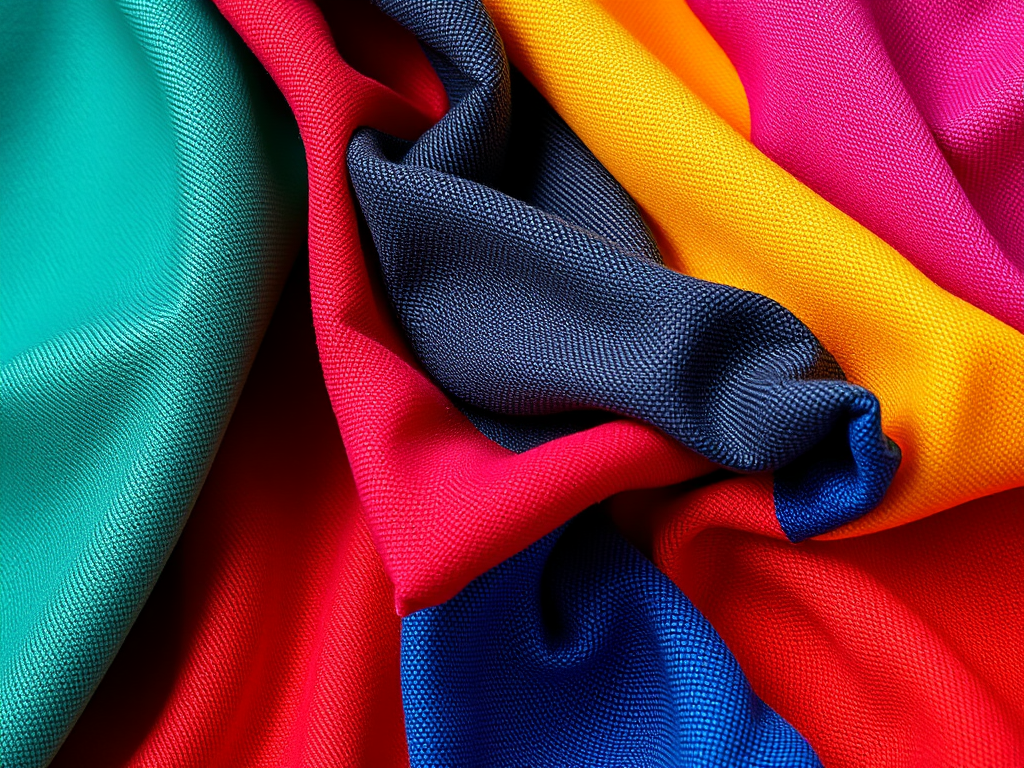
Who Is Polyester Ideal For?
Polyester has certain advantages, making it suitable for:
- Budget Shoppers: It’s widely available and much cheaper than natural fibers
- Wrinkle-Resistant Clothing Lovers: Polyester’s synthetic nature makes it resistant to creases.
- Activewear Enthusiasts: Many performance fabrics use polyester due to its durability and sweat-wicking properties.
- Frequent Travelers: Its resistance to shrinking and wrinkling makes it a convenient choice for packing.
- Those Who Prioritize Durability: Polyester does not degrade as quickly as natural fibers, meaning it can withstand frequent washing.
General Price Range of Polyester
Polyester is one of the cheapest fabrics to produce, yet it can be found in both budget and luxury fashion. Here’s a breakdown:
- Fast Fashion ($5 – $50 per piece): Found in brands like Shein, H&M, and Forever 21, where polyester is used to cut costs.
- Mid-Range ($50 – $200 per piece): Found in brands like Zara, Banana Republic, and J.Crew, where polyester is sometimes blended with higher-quality fibers.
- Luxury Polyester ($500 – $2,000 per piece): Found in designer brands like Prada, Gucci, and Balenciaga, where polyester is used in dresses, blouses, and even outerwear despite its low production cost.
Is Polyester Worth the Cost?
The biggest issue with polyester is the markup that brands place on it. Here iw why polyester isn’t worth the high price tag:
Cheap to Produce with High Markups
Polyester costs as little as $1-5 per yard, meaning a $500 polyester dress may only cost a few dollars in raw materials. Many luxury brands use 100% polyester in their collections but charge prices that would be expected for premium fabrics like silk or wool.
Lower Quality Compared to Natural Fibers
Unlike cotton or linen, polyester traps heat and sweat, making it less comfortable in warm weather. Over time, polyester tends to pill, making garments look worn-out faster than natural fibers.
Environmental Impact
Polyester is non-biodegradable and contributes to microplastic pollution in oceans and waterways.
When Is Polyester Worth Buying?
While polyester has its downsides, it’s not always a bad purchase. It makes sense to buy polyester in these cases:
- Blended with Natural Fibers: A cotton-polyester blend improves durability while retaining breathability.
- Performance & Outdoor Wear: Many high-performance fabrics use polyester for moisture-wicking and durability.
- Wrinkle-Free Travel Clothes: If you need clothing that resists wrinkles, polyester is a practical choice.
How to Identify High-Quality Polyester
Not all polyester is created equal. Here’s how to find the best versions:
- Look for Blends: Polyester combined with wool, cotton, or rayon tends to be softer and more breathable.
- Check for Pilling Resistance: Some polyester fabrics are pre-treated to reduce pilling.
- Weave & Finish: Matte polyester tends to look high-end, while overly shiny polyester often looks cheap.
Final Verdict
Polyester is a durable and versatile fabric, but it’s often overpriced in luxury fashion despite being one of the cheapest materials to produce. While it has its place in activewear, wrinkle-free travel clothing, and budget-friendly pieces, it’s rarely worth luxury price tags. If you’re looking for breathable, long-lasting quality, natural fibers like wool, silk, or high-grade cotton are usually better investments.



Leave a comment